The True Cost of Turnover
Restaurant turnover costs are staggering—replacing a single employee costs $5,000-$10,000 when you factor in recruiting, training, and lost productivity. With industry turnover averaging 75% annually, most restaurants spend more on replacing staff than developing them. Investing in training and retention delivers measurable ROI.
Building an Effective Onboarding Program
First impressions matter for new hires too. Create a structured first-week experience that covers culture, procedures, and expectations. Assign a buddy or mentor for questions and support. Provide written materials they can reference later. Set clear 30-60-90 day milestones. Check in regularly during the critical first months.
Training Methods That Actually Work
Different skills require different approaches. Hands-on practice works best for technical skills like food preparation and POS operation. Role-playing excels for customer service scenarios. Video training scales well for standardized procedures. Shadowing experienced staff builds real-world competence. Combine methods for comprehensive development.
Leveraging Technology for Training
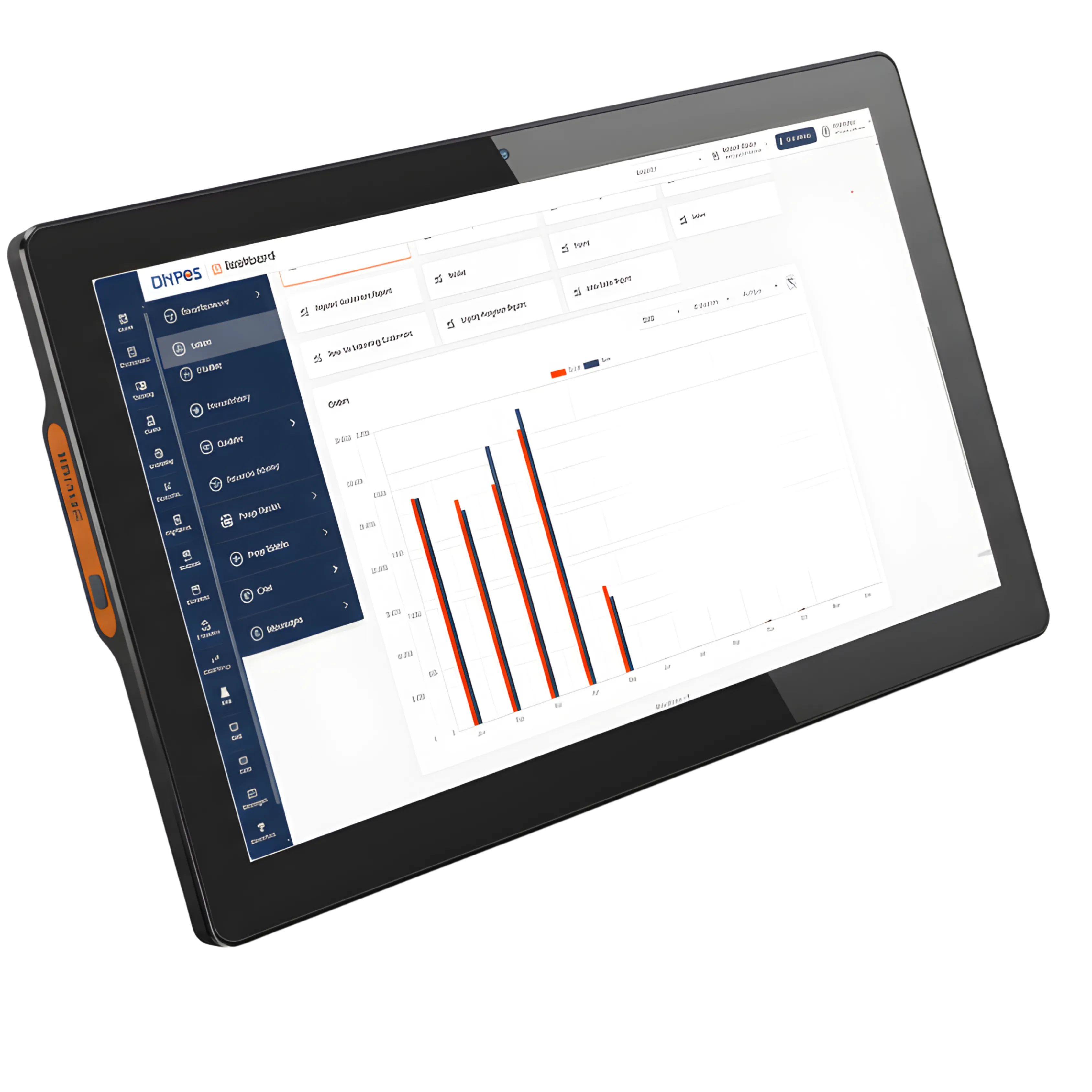
Modern training tools accelerate learning and ensure consistency. Learning management systems track completion and competency. Video libraries provide on-demand access to procedures. Mobile apps enable training during downtime. POS training modes let staff practice without affecting real orders. Digital checklists ensure nothing is missed.
Cross-Training for Flexibility
Employees who can perform multiple roles provide operational flexibility. Start cross-training after core role mastery. Identify employees interested in learning new skills. Create progression paths from entry-level to advanced positions. Recognize and reward multi-skilled team members. Balance cross-training with specialization.
Creating Career Development Paths
Growth opportunities drive retention more than pay alone. Define clear advancement criteria from team member to shift lead to manager. Provide management training before promotion. Offer specialized tracks like trainer, inventory specialist, or catering coordinator. Share success stories of employees who've grown within your organization.
Compensation and Benefits Strategy
Competitive pay is table stakes—benefits differentiate employers. Research local market rates and adjust accordingly. Consider tip pooling structures that incentivize teamwork. Offer meal benefits that reduce food costs for staff. Explore healthcare options even for part-time workers. Flexible scheduling attracts and retains quality candidates.
Building a Positive Work Culture
Culture determines whether people want to stay. Recognize achievements publicly and privately. Address conflicts and issues promptly. Maintain consistent, fair policies. Create opportunities for team bonding. Solicit and act on employee feedback. Lead by example at every level.
Performance Management That Motivates
Regular feedback drives improvement better than annual reviews. Set clear expectations from day one. Provide real-time coaching and correction. Conduct brief weekly check-ins. Use metrics to identify training needs. Celebrate wins and improvements. Address underperformance promptly and constructively.
Retention Warning Signs
Identify flight risks before they give notice. Watch for decreased engagement or enthusiasm. Note schedule change requests or increased absences. Monitor performance declining from previous levels. Pay attention to complaints from or about the employee. Exit interviews reveal patterns you can address proactively.
Measuring Training Effectiveness
Track outcomes to improve your programs. Compare performance metrics before and after training. Monitor error rates and customer complaints. Survey employees about training quality and relevance. Calculate ROI by comparing training costs to turnover savings. Continuously iterate based on results.

Written by Marcus Johnson
Contributing writer at DIVPOS, covering restaurant technology, POS systems, and business efficiency tips.