The Challenge of Multi-Location Management
Opening your second restaurant location is exciting—but it's also where many operators stumble. The systems that worked for a single location often break down when replicated. Success requires standardized processes, centralized oversight, and technology that scales with your growth.
Centralized vs. Decentralized Operations
Finding the right balance between central control and local autonomy is crucial. Centralize brand standards, menu pricing, vendor relationships, and financial reporting. Decentralize day-to-day staffing decisions, local marketing initiatives, and community engagement. This hybrid approach maintains consistency while allowing locations to adapt to their unique markets.
Building Scalable Standard Operating Procedures
Document everything before you expand. Create detailed SOPs for food preparation, customer service, opening and closing procedures, and emergency protocols. Use video training alongside written materials. Update SOPs regularly based on feedback from all locations. Make documentation easily accessible through digital platforms.
Technology Infrastructure for Growth
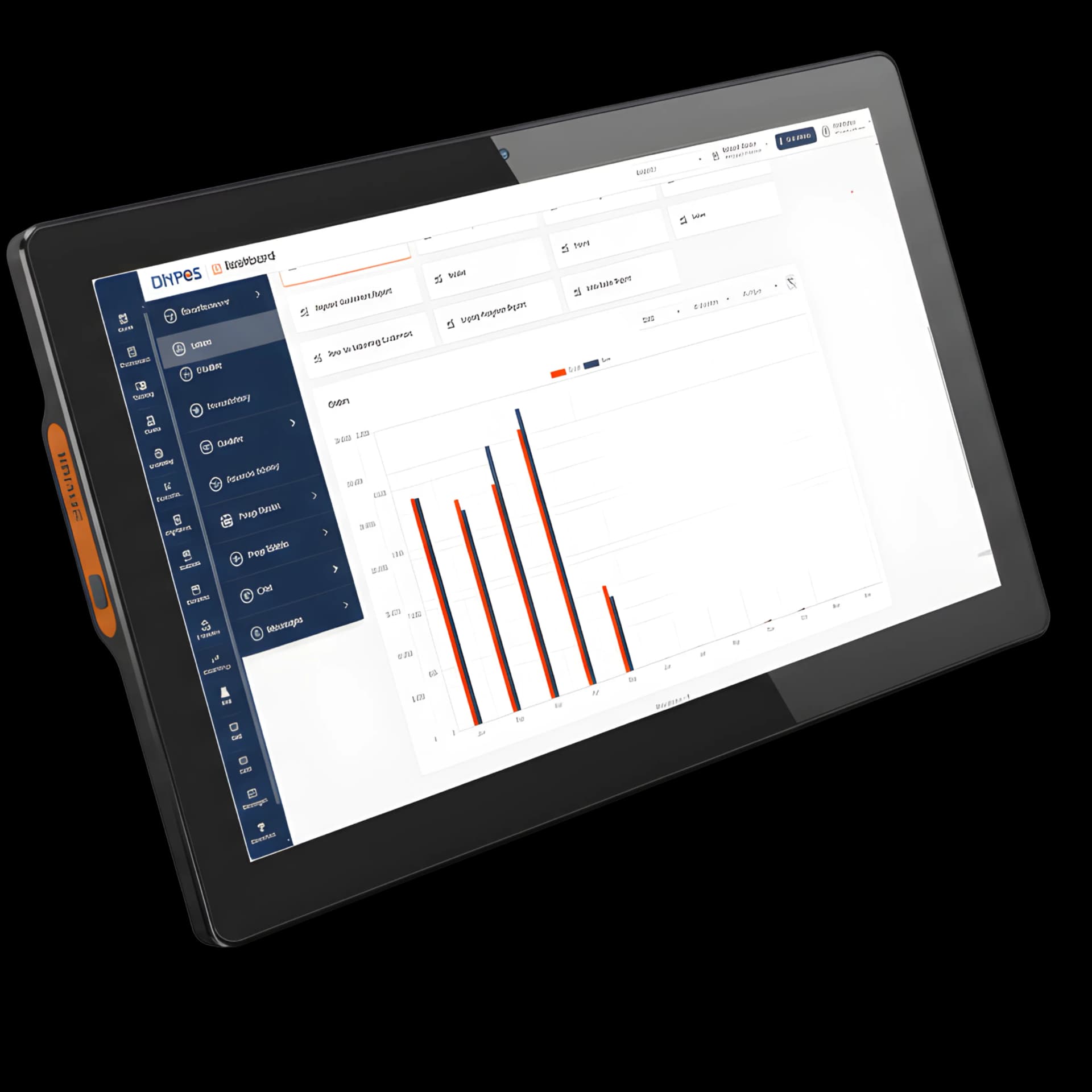
Cloud-based systems are non-negotiable for multi-location operations. Your POS should provide real-time sales data across all locations from a single dashboard. Inventory management systems should track stock levels and automate reordering at each branch. Employee scheduling software should account for labor laws in different jurisdictions.
Multi-Currency and Multi-Language Considerations
International expansion adds complexity layers. Your POS must handle multiple currencies with real-time exchange rates. Staff-facing interfaces should support local languages. Menu pricing strategies may differ by market based on local costs and competition. Reporting should consolidate financials into your base currency for accurate analysis.
Maintaining Brand Consistency
Customers expect the same experience at every location. Implement mystery shopper programs to audit consistency. Use standardized supplier lists to ensure ingredient quality. Create brand guidelines covering everything from plating presentation to greeting scripts. Regular cross-location training keeps standards fresh.
Financial Management Across Locations
Each location should operate as its own profit center. Track location-specific P&L statements, food costs, and labor percentages. Compare performance metrics across locations to identify best practices and struggling units. Centralize accounts payable while maintaining location-level expense tracking.
Communication Systems That Scale
As you grow, communication becomes harder. Implement a central communication platform for announcements and updates. Hold regular virtual meetings with location managers. Create feedback channels for staff to share ideas and concerns. Document decisions and share rationale to build organizational alignment.
Hiring and Training for Multiple Locations
Develop a talent pipeline before you need it. Identify high-potential employees for management development. Create standardized training programs that can be delivered consistently. Consider a training location where new hires learn before deploying to their assigned branch.
Supply Chain Optimization
Leverage your scale for better vendor terms. Negotiate volume discounts based on combined purchasing power. Standardize suppliers across locations where possible. Implement inventory transfers between locations to reduce waste. Track supplier performance metrics across all branches.
When to Add Your Next Location
Expand only when your current operations are stable. Your flagship location should consistently hit performance targets. You should have management depth to staff new locations without weakening existing ones. Financing should be secured without overleveraging. The new market should be validated through research, not assumptions.

Written by Michael Chen
Contributing writer at DIVPOS, covering restaurant technology, POS systems, and business efficiency tips.