The Tablet Nightmare
If your counter looks like an electronics store with tablets from every delivery platform, you're not alone. The average restaurant using multiple delivery services manages 3-5 separate devices, each with different interfaces, alert sounds, and order formats. This fragmentation creates errors, delays, and frustrated staff.
Why Integration Matters
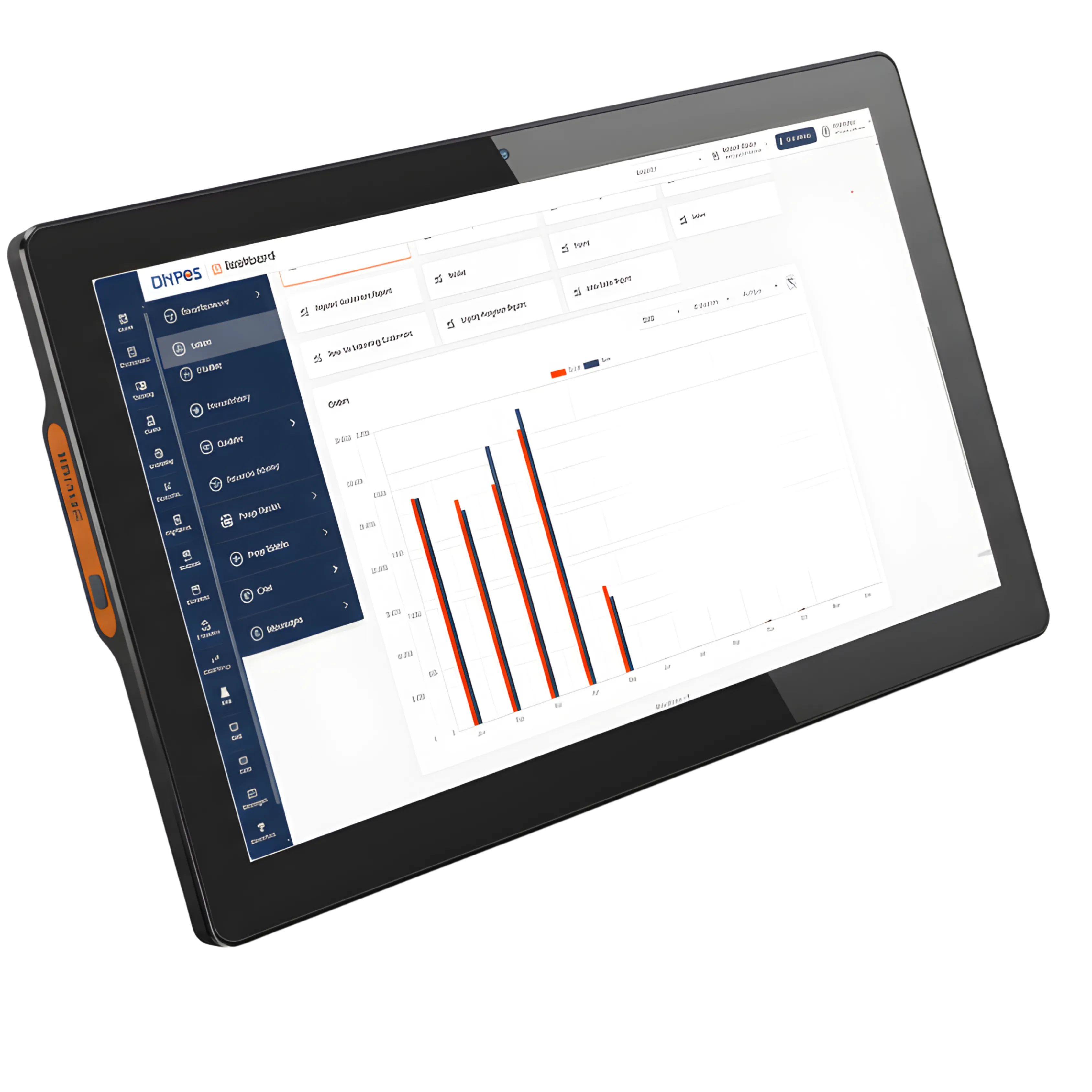
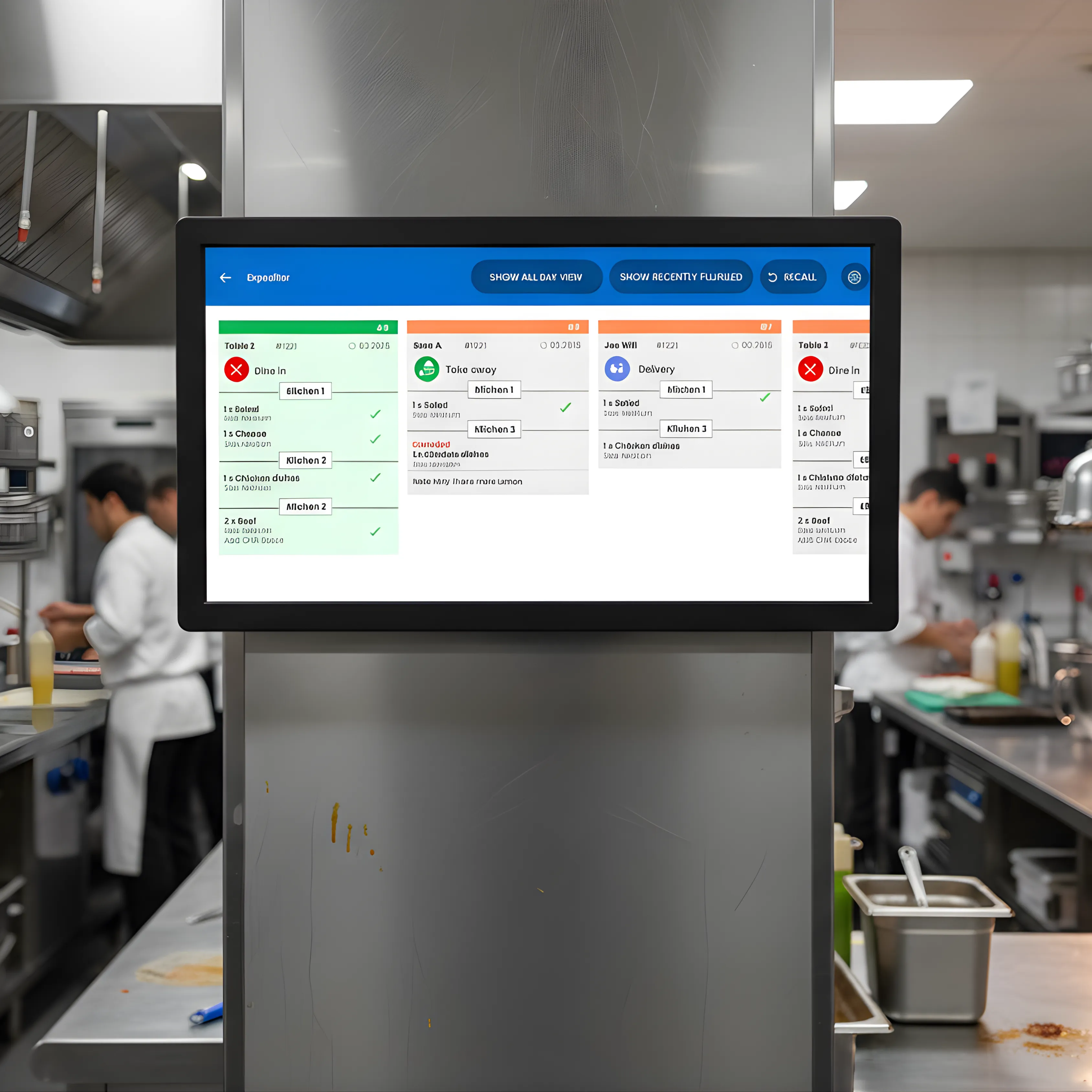
Integrated delivery management consolidates all orders into your existing POS workflow. Staff learn one system instead of many. Orders flow directly to your kitchen display system. Inventory updates automatically regardless of order source. Reporting captures all revenue in one place.
Understanding Integration Options
There are three main approaches to delivery integration. Direct API integration connects platforms directly to your POS—the cleanest solution but requires compatible systems. Middleware aggregators like Ordermark or Cuboh consolidate orders before sending to your POS. Manual entry remains an option but defeats the purpose of automation.
DoorDash Integration Setup
DoorDash offers Drive for your own delivery fleet and Marketplace for their driver network. For POS integration, you'll need a DoorDash merchant account and a compatible POS system. Enable the integration in your POS settings, authenticate with DoorDash credentials, and map your menu items. Test thoroughly before going live.
Uber Eats and Uber Direct
Uber Eats Marketplace orders can flow directly into compatible POS systems. Uber Direct lets you use Uber's drivers for your own orders placed through your website or app. Integration requires Uber for Business account setup and POS configuration. Menu synchronization ensures pricing and availability match across platforms.
Managing Menu Across Platforms
Menu management becomes complex with multiple platforms. Consider creating delivery-specific menus with items that travel well. Price delivery menu items higher to offset commission costs—most restaurants add 15-30%. Disable items in real-time when ingredients run out. Sync modifications and add-ons carefully.
Order Flow Optimization
Once integrated, optimize your order flow. Set appropriate prep times based on historical data. Configure order throttling during peak periods to prevent kitchen overwhelm. Establish clear priority rules—does a $200 catering order trump a $15 delivery? Train staff on the unified workflow.
Commission Management Strategies
Delivery platform commissions typically range from 15-30% per order. Factor this into menu pricing decisions. Use first-party ordering (your own app/website) with platforms like Uber Direct for lower fees. Track commission costs by platform to identify the most profitable channels. Negotiate rates as your volume increases.
Driver Dispatch Integration
For restaurants using DoorDash Drive or Uber Direct, driver dispatch integrates into your system. Orders trigger automatic driver requests at the right time. Real-time driver tracking helps staff time food completion. Customer communication happens automatically through the delivery platform.
Handling Delivery-Specific Issues
Build processes for common delivery problems. Item unavailability should trigger customer notification and refund processing. Driver delays need escalation paths. Order accuracy issues require documentation for dispute resolution. Create quick-reference guides for staff handling these situations.
Reporting and Analytics
Integrated systems provide comprehensive reporting. Compare sales performance across delivery platforms. Track average order values by channel. Monitor delivery-specific metrics like accuracy and on-time performance. Use data to optimize menu offerings and promotional strategies.
Security and Compliance
Delivery integration involves data sharing that requires attention. Ensure PCI compliance for payment processing. Review data sharing agreements with delivery platforms. Protect customer information appropriately. Regular security audits should include integration points.

Written by David Park
Contributing writer at DIVPOS, covering restaurant technology, POS systems, and business efficiency tips.