From Data Collection to Data Action
Every transaction in your restaurant generates data—items ordered, time of day, payment method, server, discounts applied. Most restaurants collect this data but few actually use it. The difference between struggling and thriving restaurants often comes down to data-driven decision making.
Essential Metrics Every Restaurant Should Track
Start with the fundamentals before getting fancy. Food cost percentage should target 28-35% depending on concept. Labor cost percentage typically ranges 25-35% of revenue. Prime cost—food plus labor—should stay below 65%. Table turnover rate measures efficiency. Average check tells you guest spending patterns.
Sales Analysis and Trending
Look beyond total revenue to understand your business. Compare sales by daypart—breakfast, lunch, dinner—to identify opportunities. Track day-of-week patterns to optimize staffing and promotions. Monitor year-over-year trends adjusted for inflation. Identify seasonal patterns that should inform purchasing and marketing.
Menu Engineering With Data
Your menu is your primary sales tool—optimize it with data. Categorize items into stars (high profit, high popularity), plowhorses (low profit, high popularity), puzzles (high profit, low popularity), and dogs (low profit, low popularity). Promote stars, reprice plowhorses, reposition puzzles, and consider removing dogs.
Understanding Item-Level Profitability
Revenue alone doesn't indicate profitability. Calculate true contribution margin for each menu item including ingredients, prep labor, and waste. Factor in plate time—how long items occupy kitchen capacity. Consider check-building potential—items that drive add-ons and beverages. Update analysis quarterly as costs change.
Customer Segmentation and Behavior
Not all customers are equal—segment them for targeted strategies. Identify your VIP customers who represent 80% of revenue from 20% of visits. Understand visit frequency patterns—daily regulars, weekly visitors, occasional guests. Track customer lifecycle from first visit through loyalty program progression.
Labor Optimization Through Data
Labor is your second-largest cost and most controllable. Analyze historical sales by 15-minute intervals to predict demand. Schedule staff based on projected covers, not gut feeling. Track labor cost percentage in real-time to make same-day adjustments. Compare server performance metrics to identify training needs.
Inventory Intelligence
Smart inventory management reduces waste and stockouts. Set par levels based on historical usage plus safety stock. Track waste by category to identify problem areas. Monitor vendor pricing trends across time. Calculate inventory turnover to ensure freshness and capital efficiency.
Predictive Analytics Applications
Move from reactive to proactive management. Predict sales volume based on weather, local events, and historical patterns. Forecast inventory needs to optimize ordering. Anticipate staffing requirements before schedules are made. Identify at-risk customers before they churn.
Building a Data Culture
Analytics only work if your team uses them. Share relevant metrics with managers daily. Create dashboards that highlight actionable insights. Train staff on how their actions impact key metrics. Celebrate wins driven by data-informed decisions. Make data discussion part of regular meetings.
Choosing Analytics Tools
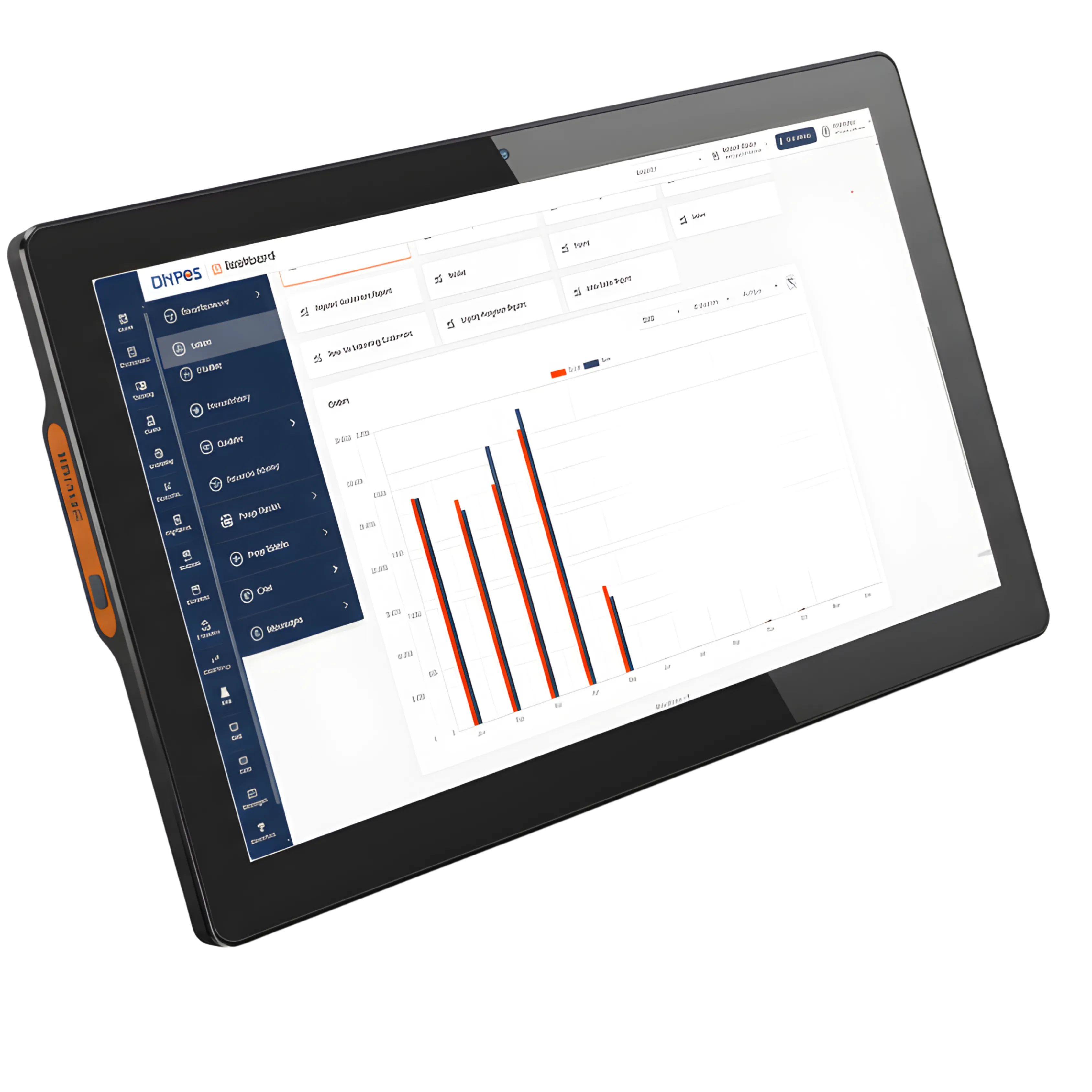
Your POS should provide basic reporting—but you'll likely need more. Look for solutions that consolidate data from multiple sources. Visualization tools like dashboards make data accessible. Automated alerts notify you of anomalies requiring attention. Mobile access lets you monitor anywhere.
Common Analytics Mistakes
Avoid these pitfalls in your analytics journey. Don't track too many metrics—focus on what you'll actually act on. Don't confuse correlation with causation. Don't ignore context when interpreting numbers. Don't let perfect data be the enemy of good enough. Don't forget that behind every data point is a human customer.

Written by Robert Williams
Contributing writer at DIVPOS, covering restaurant technology, POS systems, and business efficiency tips.