Beyond the Pandemic: QR Codes Are Here to Stay
What started as a safety measure has become a preferred dining option for many customers. Over 50% of diners now prefer digital menus, citing convenience and hygiene. For restaurants, QR menus reduce printing costs, enable instant updates, and create opportunities for upselling and data collection.
Types of QR Code Menu Solutions
Choose the right approach for your concept. Static PDF menus are simplest but offer no interactivity. Dynamic web menus allow real-time updates and mobile optimization. Integrated ordering systems let customers browse and order directly. Full digital dining platforms combine menus, ordering, payment, and loyalty.
Designing an Effective Digital Menu
Mobile-first design is non-negotiable. Ensure text is readable without zooming. Use high-contrast colors for accessibility. Organize categories with thumb-friendly navigation. Include appetizing photos that load quickly. Test on multiple devices and connection speeds.
Strategic QR Code Placement
Location affects adoption rates significantly. Table tents or stickers should be visible without searching. Entry signage prepares guests before seating. Receipt QR codes drive repeat visits and app downloads. Window displays capture takeout customers. Consistency across locations builds familiarity.
Driving Adoption Among Guests
Not everyone embraces technology immediately. Train staff to explain QR menu benefits enthusiastically. Keep physical menus available for those who prefer them. Offer incentives for first-time digital menu users. Ensure WiFi is reliable and accessible. Display simple scanning instructions near QR codes.
Upselling Through Digital Menus
Digital menus create upselling opportunities print can't match. Suggest pairings when items are selected. Highlight add-ons and modifications prominently. Feature limited-time specials with urgency messaging. Use customer data to personalize recommendations. A/B test different presentations to optimize conversion.
Real-Time Menu Management
Instant updates eliminate 86ing frustrations. Mark items unavailable immediately when ingredients run out. Adjust pricing without reprinting. Launch daily specials or happy hour menus automatically. Rotate seasonal offerings with scheduled changes. Sync inventory levels to prevent overselling.
Integrating Contactless Payment
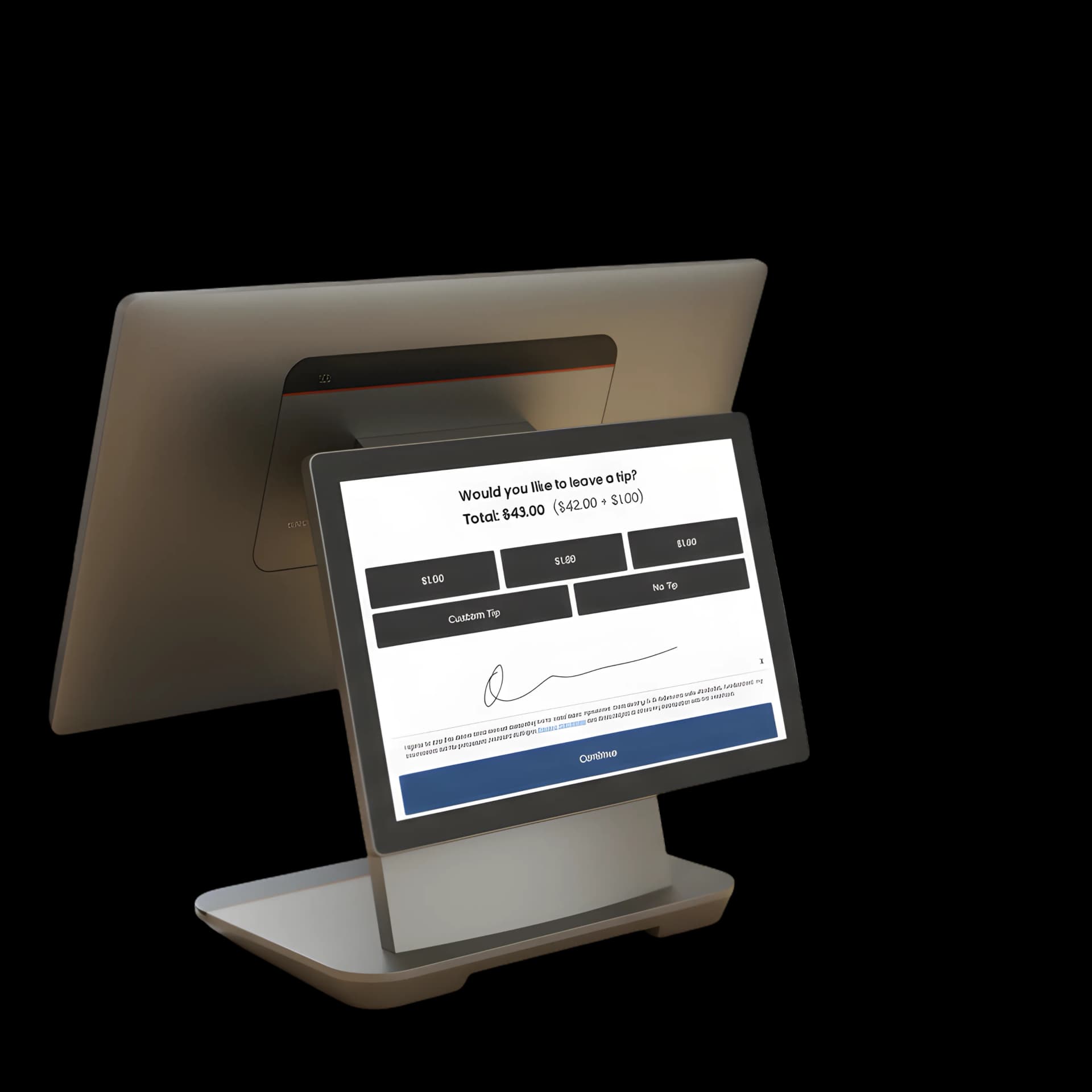
Complete the contactless experience end-to-end. Enable pay-at-table functionality through the same QR system. Support multiple payment methods including digital wallets. Allow bill splitting for group dining. Send digital receipts automatically. Integrate with your POS for seamless reconciliation.
Collecting Customer Data Responsibly
Digital menus generate valuable insights ethically. Track popular items and browsing patterns. Collect email addresses for marketing with clear opt-in. Respect privacy regulations like GDPR and CCPA. Use data to improve menu engineering and operations. Never sell customer information to third parties.
Accessibility Considerations
Ensure your digital menu works for everyone. Support screen readers for visually impaired guests. Provide text alternatives for images. Enable font size adjustment. Maintain physical menu options. Test with diverse users to identify barriers.
Measuring QR Menu Success
Track metrics that demonstrate value. Monitor scan rates and unique users. Analyze menu browsing patterns and popular items. Compare average check for digital vs. traditional ordering. Calculate print cost savings. Survey customer satisfaction with the digital experience.

Written by Lisa Chen
Contributing writer at DIVPOS, covering restaurant technology, POS systems, and business efficiency tips.